


Why Rear-End Accidents Are Not Always Minor
Why Rear-End Accidents Are Not Always Minor
Rear-end crashes often happen in stop-and-go traffic or at intersections. Since these types of accidents typically occur at lower speeds, you may think that they only cause minor vehicle damage. Misconceptions like this may lead you to postpone medical care or delay reporting the incident to your insurance company.
The consequences of these crashes often continue long after the initial collision and after the vehicles leave the scene.
Injuries may take time to show up
Some injuries do not become apparent immediately. Symptoms such as neck pain, back tightness or headaches may seem minor at first, but they may signal whiplash or spinal issues. Delaying medical attention may worsen your condition and increase recovery time.
Even low-speed crashes can exert force to your spine or brain. You may experience delayed inflammation, which affects balance and coordination over time. Others who have been in similar accidents sometimes feel fine for a day or two, only to notice worsening symptoms later.
Medical bills and time off work add up
Rear-end crash injuries often require medical treatment that extends beyond the initial care provided during a hospital visit. You might need ongoing physical therapy or pain medication.
Moreover, mobility issues may necessitate taking time off work. Even seemingly minor injuries can lead to quickly rising medical bills.
Crash impact goes beyond the surface
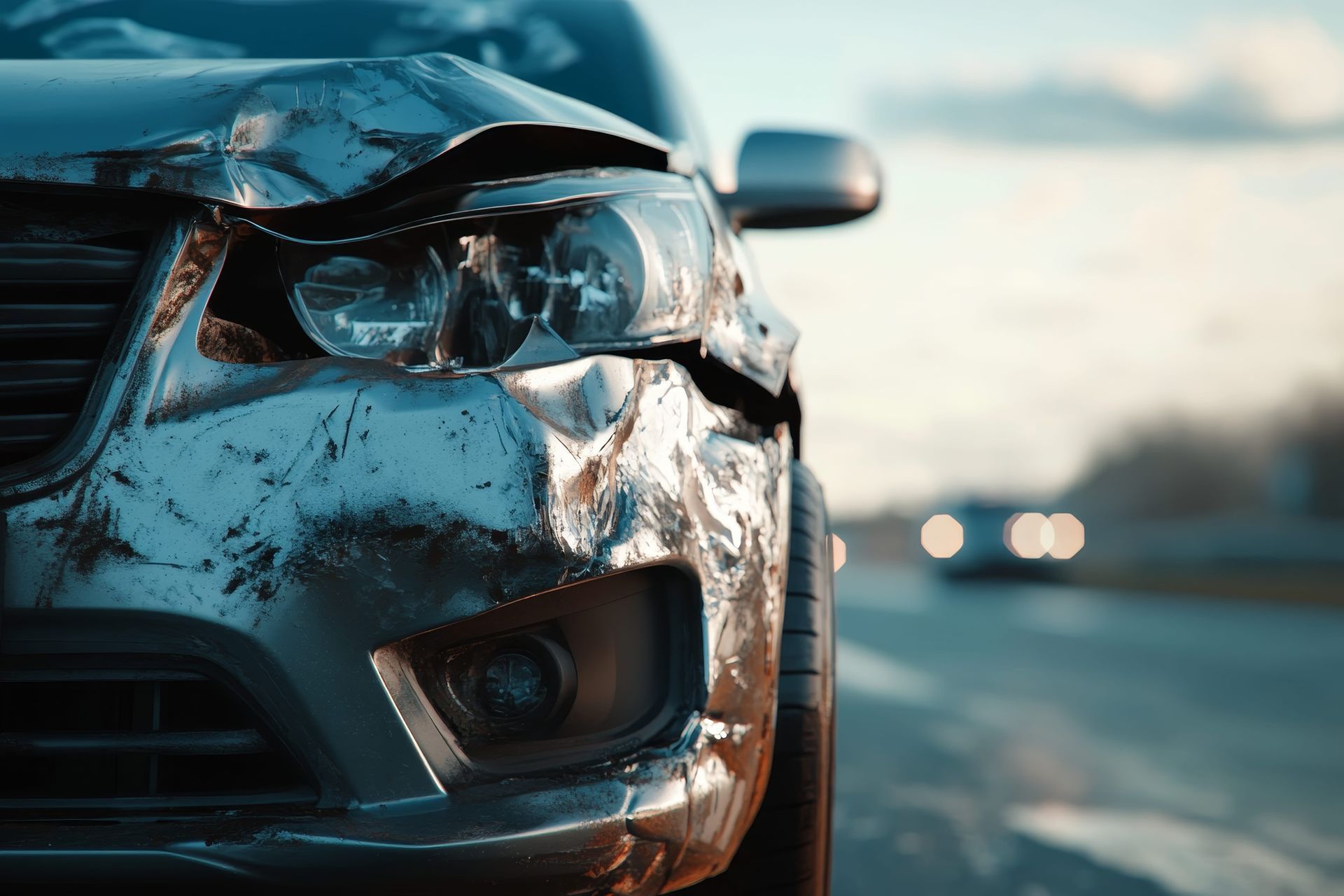
The size and weight of the striking vehicle can affect the outcome of a crash. A rear-end hit from a truck or SUV often carries more force than one from a smaller car. That added pressure can lead to greater physical stress and hidden damages.
While bumpers absorb impact, internal parts can still bend or crack. Misalignment may lead to tire wear or steering problems. You should remain vigilant for any mechanical issues after a crash.
More than just an inconvenience
A rear-end accident may disrupt your daily life more than you realize. Knowing what to look out for after a crash should help you prevent long-term issues and support your chances of seeking rightful compensation.
Monitoring both your health and vehicle condition after a collision is also crucial for reducing the risk of more serious complications. If you assume your accident is insignificant, you might unknowingly neglect symptoms that require prompt attention.