


How Speeding Impacts Liability in Missouri Personal Injury Cases
How Speeding Impacts Liability in Missouri Personal Injury Cases
Speeding is one of the most common causes of serious car accidents in Missouri. When a driver exceeds the posted speed limit or drives too fast for road conditions, the risk of a collision increases significantly. Beyond the immediate danger, speeding can also play a major role in determining liability in personal injury cases. Understanding how Missouri law treats speeding can help accident victims protect their rights and pursue compensation.
At Allen Injury Law, LLC, we can provide legal assistance to the Clayton public when speeding contributes to an accident and resulting injuries.
Why Speeding Matters in Personal Injury Cases
Speeding affects more than just a driver’s ability to stop in time. It reduces reaction time, increases the severity of impact, and makes it harder to control a vehicle. Because of these risks, Missouri law considers speeding a form of negligent behavior.
In personal injury cases, negligence is the foundation of liability. If a driver’s speeding directly contributes to an accident, that driver may be held responsible for damages such as medical expenses, lost income, and pain and suffering.
Proving Speeding as a Cause of the Accident
To establish liability, it is not enough to show that a driver was speeding. It must also be proven that the speeding contributed to causing the accident.
Evidence commonly used includes:
- Police accident reports
- Eyewitness statements
- Traffic camera or surveillance footage
- Vehicle damage analysis
- Accident reconstruction reports
For example, if a driver was speeding and unable to stop at a red light, leading to a collision, that speeding behavior becomes a key factor in proving fault.
Missouri’s Comparative Fault Rule
Missouri follows a “pure comparative fault” system. This means that more than one party can share responsibility for an accident. Even if you were partially at fault, you may still recover compensation.
However, your total recovery will be reduced by your percentage of fault. For instance, if a speeding driver is found to be 80% at fault and the other driver 20%, the compensation awarded to the injured party will be adjusted accordingly.
Speeding often increases a driver’s percentage of fault, especially if it is determined to have significantly contributed to the crash.
How Speeding Affects Damage Awards
When speeding is involved, it can influence not only who is liable but also how much compensation is awarded. Courts and insurance companies may consider:
- The extent to which speeding contributed to the accident
- Whether the driver was significantly exceeding the speed limit
- Road and weather conditions at the time of the crash
In cases where speeding is particularly reckless, it may even open the door to punitive damages, which are intended to punish dangerous behavior and deter others.
Common Scenarios Involving Speeding
Speeding frequently plays a role in a variety of accident types, including:
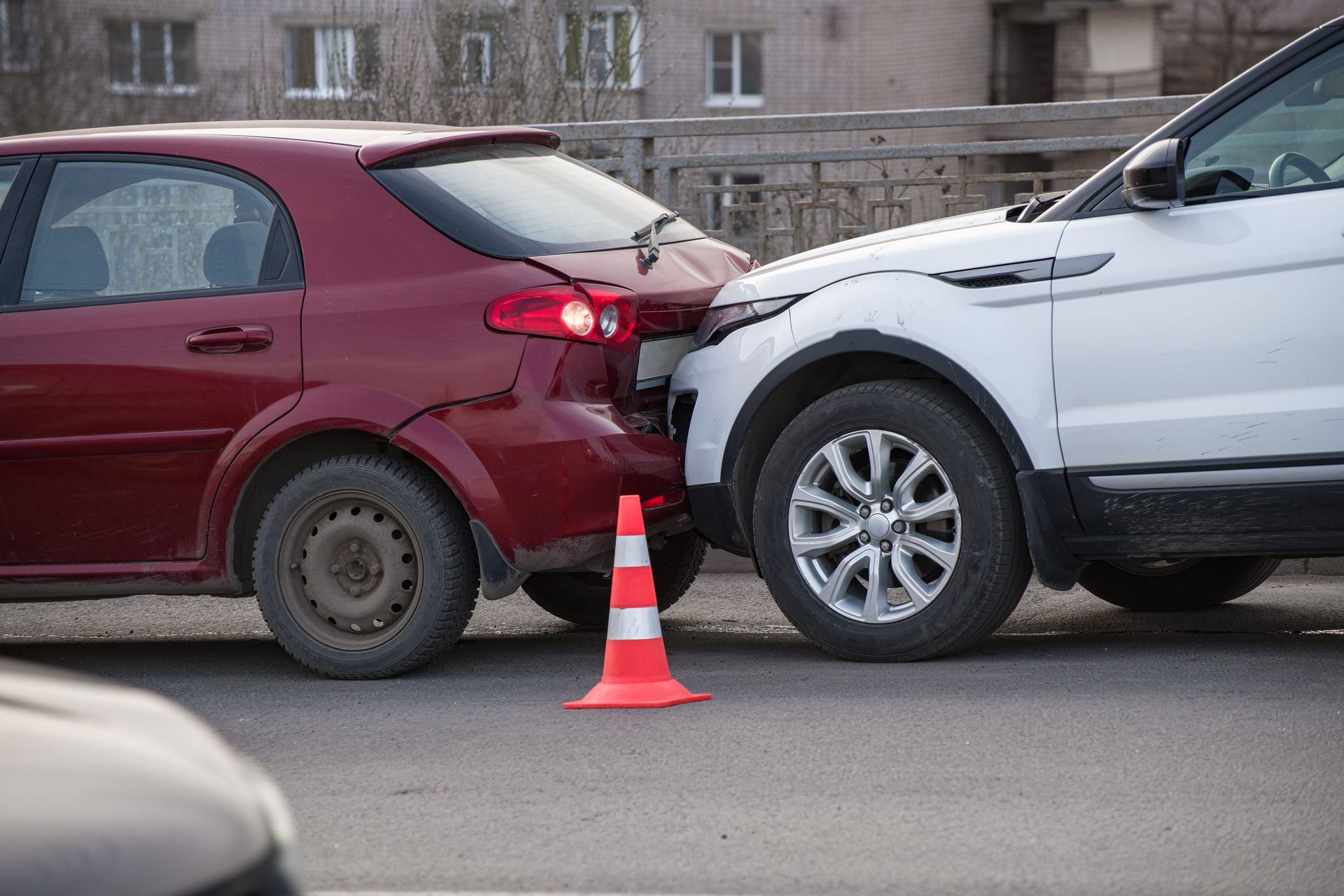
- Rear-end collisions due to reduced stopping distance
- Intersection accidents where a driver runs a light or stop sign
- Highway crashes involving loss of vehicle control
- Accidents in construction or school zones
Each of these scenarios can make it easier to demonstrate how excessive speed contributed to the accident.
The Role of Legal Representation
Determining liability in a personal injury case can be complex, especially when multiple factors are involved. Insurance companies may attempt to minimize the role of speeding or shift blame to other parties.
An experienced legal team can gather evidence, work with accident reconstruction professionals, and build a strong case to establish fault. This is especially important when injuries are severe and the financial stakes are high.
Allen Injury Law, LLC assists individuals in Clayton by evaluating accident details, identifying responsible parties, and pursuing fair compensation.